Mini Carrot: A Designer’s Review for Small Business Merch
As an embroidery designer who has spent years digitizing files and consulting with small business owners, I approach every new machine embroidery design with a critical eye. It is not just about whether a motif looks cute on a screen; it is about how that design performs under the needle, how it translates to fabric, and ultimately, how it serves the brand identity of the client using it. Recently, I evaluated the Mini Carrot design, a digital asset marketed toward Easter-themed projects and small-scale applications. Here is my professional breakdown of how this file fits into a commercial embroidery workflow.
First Impressions and Visual Personality
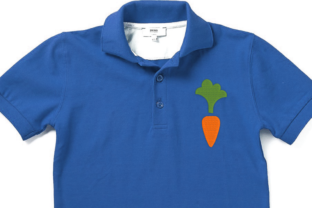
The Mini Carrot presents itself as a mini-fill embroidery design, which immediately signals a specific aesthetic. Unlike complex satin-stitch logos that rely on sheen and sharp edges, fill stitches offer a softer, more textured appearance. This gives the design a handmade, approachable feel that is perfect for brands aiming for a rustic, friendly, or playful vibe. For a bakery, a florist, or a boutique selling organic goods, this visual language communicates warmth and authenticity.
The description notes that the design is adorable and fits within a 4×4 hoop. In the world of commercial embroidery, smaller designs are often trickier to execute than large ones because there is less room for error in stitch placement. However, the promise of separated color changes suggests a thoughtful digitization process. This separation allows for cleaner transitions between the orange body of the carrot and the green foliage, preventing the muddy look that often plagues poorly digitized small files.
Real-World Applications for Small Business Merch
When I advise clients on expanding their product lines, I always look for versatile design assets. The Mini Carrot is not limited to holiday-specific items, despite its categorization under Easter. Its simplicity makes it a strong candidate for year-round small business merch. Consider the following applications:
- Embroidered Patches: This is perhaps the strongest use case. A 4×4 design is ideal for iron-on or sew-on patches. These can be sold as standalone products or used to upgrade plain denim jackets and tote bags.
- Apron Embroidery: For cafes and bakeries, staff uniforms benefit from subtle branding. Placing this carrot on the chest pocket area of an apron adds a touch of personality without overwhelming the garment.
- Cap Embroidery: While curved surfaces are challenging, a small, simple fill design like this can work well on the front panel of a dad hat or beanie, provided the stabilizer is robust.
- Tote Bag Design: Canvas bags are a staple for eco-friendly brands. A cluster of these carrots, or a single well-placed motif, can turn a generic bag into a branded statement piece.
For Etsy sellers and handmade brands, this digital embroidery file offers a quick way to create cohesive product lines. You can pair it with text-based logos or use it as a recurring visual motif across different items, enhancing brand recognition.
Technical Considerations and Production Notes
Before running this design on a production machine, there are several technical factors to address. The description mentions that three hoop sizes are included in the zip file. This is a significant value add, as it allows you to scale the design for different applications. However, scaling embroidery is not always linear. A design that looks perfect at 4 inches may lose definition if scaled down too far for a tiny label.
Stitch density is a crucial factor here. Mini-fill designs can sometimes become dense, leading to puckering on lightweight fabrics. I recommend testing the design on a scrap piece of the exact fabric you intend to use. If you are embroidering on a thin cotton tote, use a cut-away stabilizer to prevent distortion. For thicker materials like denim or canvas, a tear-away might suffice, but always test first.
Another critical step is reviewing the thread colors. The default color sequence in the file may not match your brand palette. Since the steps are separated by color changes, swapping threads is straightforward. However, ensure there is enough contrast between the carrot and the background fabric. On dark uniforms, you may need to add an underlay or choose brighter thread shades to maintain visibility.
Strategic Branding and Customer Trust
Why does a simple carrot matter for brand identity? Consistency builds trust. When customers see the same high-quality embroidered detail on your packaging, your staff uniforms, and your social media printable mockups, it reinforces professionalism. The Mini Carrot serves as a visual anchor. It is distinct enough to be recognizable but simple enough to remain legible at small sizes.
For businesses focusing on seasonal promotions, such as Easter sales, this design allows for timely merchandise without requiring a complete rebrand. It shows customers that your business is active, engaged, and attentive to detail. This level of care translates into higher perceived value for your finished product, allowing you to command better pricing for custom apparel and accessories.
Where to Use Caution
While versatile, this design is not a one-size-fits-all solution. Avoid using it on items that require frequent, high-temperature washing unless you have secured the edges properly, as fill stitches can fray over time if not backed correctly. Additionally, be cautious when placing it on highly textured fabrics where the fine details of the fill might get lost. Always create a physical sample before committing to a large batch of custom apparel.
Final Verdict for Designers and Makers
The Mini Carrot is a solid addition to any embroidery library focused on small-scale, high-impact designs. It bridges the gap between decorative flair and functional branding. For small business owners, it offers a low-risk, high-reward way to add visual interest to merchandise. For professional digitizers and decorators, it serves as a reliable base that can be customized to fit various client needs.
Remember to check the specific license terms included in the download, as commercial usage rights can vary. Verify the nine formats provided to ensure compatibility with your specific machine brand. By treating this file as a strategic business asset rather than just a decorative element, you can leverage it to enhance your brand’s visual consistency and customer engagement. Test it, tweak it, and let it grow your business.