Reviewing Home is Where the Sewing Room Is
As an embroidery designer who spends countless hours digitizing and testing files for boutique apparel, I have learned that the right design can elevate a simple garment into a statement piece. Recently, I explored the Creative Fabrica library to find assets for an upcoming capsule collection focused on cozy, creative lifestyles. One file immediately caught my eye: Home is Where the Sewing Room is. This machine embroidery design speaks directly to the heart of the crafting community, and I wanted to share my professional assessment of how it performs in real-world production scenarios.
First Impressions and Visual Personality
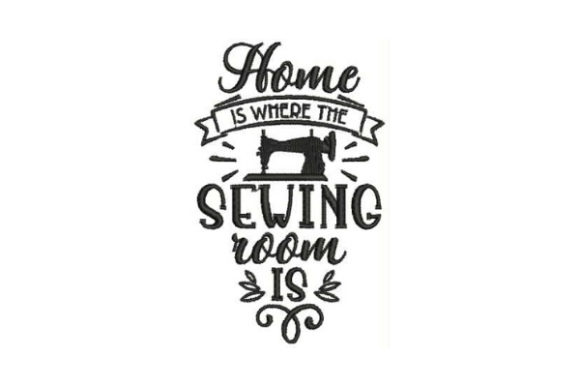
The immediate appeal of this design lies in its relatability. For every avid sewing aficionado, this catchy embroidery explains it all. It captures a specific mood that is both playful and proud. Visually, the design feels casual yet polished, striking a balance between cute and bold. It does not try to be overly complex or dense; instead, it relies on clear typography and charming decorative elements to convey passion.
When reviewing the stitch structure, the design appears to have a moderate stitch density, which is crucial for apparel. Heavy, dense stitching can weigh down lightweight fabrics, while too little coverage might look sparse on thick fleece. This design seems engineered to sit comfortably on various textiles without compromising the drape of the garment. The aesthetic is distinctly feminine and rustic, appealing to those who cherish the handmade lifestyle. It feels premium enough for a boutique brand but approachable enough for everyday wear.
Versatility Across Apparel Categories
One of the strongest assets of this embroidery file is its versatility. In my planning for a small sweatshirt and hoodie collection, I visualized several placement options that could maximize sales potential for Etsy sellers and small shop owners.
- Sweatshirt Embroidery: On neutral-toned sweatshirts, such as heather gray or oatmeal, the design pops beautifully. The contrast between the thread colors and the fabric texture creates a high-end look that justifies a higher price point.
- Hoodie Chest Placement: A left-chest placement is classic and professional. It allows the wearer to showcase their passion subtly. This works exceptionally well on pastel hoodies, where the softness of the fabric complements the cute nature of the design.
- Oversized Garments: For the trendy oversized fit, scaling the design up slightly for a center-chest or back placement can create a striking focal point. This appeals to a younger demographic looking for statement pieces.
- T-Shirt Embroidery: When applied to cotton t-shirts, the design adds value to a basic staple. It transforms a plain tee into a custom apparel item that resonates with creative entrepreneurs and crafters.
- Tote Bags and Denim: Beyond clothing, this design shines on accessories. A denim jacket with this embroidery on the back pocket or a canvas tote bag makes for excellent boutique merchandise. These items often serve as walking advertisements for your brand.
Technical Considerations for Production
While the design is visually appealing, successful execution requires attention to technical details. As a designer, I always advise testing on scrap fabric before committing to a full production run. Here are key factors to consider when using this digital embroidery file.
Fabric and Stabilizer Choice
The choice of stabilizer is critical, especially for stretchy fabrics like fleece or ribbed knits. For sweatshirt embroidery, a cut-away stabilizer is generally recommended to prevent distortion over time. If you are stitching on woven materials like denim or canvas tote bags, a tear-away stabilizer may suffice. Always check the fabric texture; looped fleece can sometimes swallow smaller details, so ensure the stitch density is appropriate for your specific material.
Placement and Hoop Size
Confirm hoop size compatibility with your machine. While the design is likely optimized for standard hoops, curved surfaces like sleeve accents or chest areas on hoodies require careful hooping to avoid puckering. Small chest placements demand precision; even a slight misalignment can look unprofessional. For dark garments, consider using lighter thread colors to ensure readability, but test for contrast first. Dark threads on dark fabrics may get lost, reducing the visual impact of the finished product.
Stitch Density and Detail
Inspect the stitch density closely. If the design includes tiny lettering, ensure your machine can handle fine details without thread breaks. Dense stitch areas can cause fabric stiffness, so balancing density with coverage is key. If the design feels too heavy for a lightweight t-shirt, consider adjusting the underlay or using a lighter weight thread.
Enhancing Brand Identity and Value
Using a well-chosen design like Home is Where the Sewing Room is can significantly affect your brand identity. For handmade business owners, consistency is vital. This design helps build product recognition among customers who identify with the sewing and crafting lifestyle. It signals that your boutique brand understands its audience.
From a marketing perspective, this design lends itself well to lifestyle product photos. Imagine a cozy seasonal outfit featuring this embroidery, styled with sewing notions or fabric swatches. These images perform well on social media graphics and can drive engagement. For Etsy listings, a clear, high-quality printable mockup or photo of the finished product can increase buyer trust. Customers want to see how the embroidery sits on the garment, ensuring it looks professional and durable.
Practical Designer Notes
Before launching this design in your commercial embroidery lineup, keep these practical steps in mind:
- Test on Similar Garment Fabric: Do not rely solely on digital previews. Stitch out the design on the exact type of fleece or cotton you plan to sell.
- Review Thread Color Contrast: Experiment with different thread palettes. Earth tones work well for a rustic vibe, while brights offer a playful, modern look.
- Check Licensing Details: Always review the Creative Fabrica product details and licensing terms. Ensure you are compliant when selling finished apparel. Most licenses allow for physical sales, but verifying this protects your business.
- Compare Placement Options: Try the design on the sleeve, chest, and back to see which offers the best visual balance for your specific garment cut.
Note that specific technical data such as exact stitch count, available file formats, and compatible hoop sizes are not detailed in the brief description provided. Therefore, I strongly advise readers to confirm those details on the product page before production. Ensuring the file format matches your machine software is essential for a smooth workflow.
Final Thoughts for Creative Entrepreneurs
In the competitive world of custom apparel, designs that tell a story resonate most with buyers. Home is Where the Sewing Room is is more than just a pattern; it is a badge of honor for the creative community. Whether you are an Etsy seller looking to expand your niche or a boutique brand aiming to connect with crafters, this design offers a blend of charm and professionalism. By paying attention to stabilizer choices, placement, and fabric compatibility, you can produce high-quality finished products that customers will love to wear and share. Embrace the passion for sewing and embroidery, and let this design help you stitch your way to a successful collection.