Reviewing the Donkey Embroidery Design for Boutique Sweatshirts
As an embroidery designer who has spent years refining digitizing techniques for small clothing brands, I approach every new machine embroidery design with a critical eye. It is not just about whether the image looks cute on a screen; it is about how that design translates to fabric, how it withstands washing, and ultimately, how it elevates the perceived value of a handmade product. Recently, I had the opportunity to test the Donkey design for a limited-run sweatshirt collection, and I want to share my professional assessment of how this asset performs in a real-world boutique setting.
First Impressions and Aesthetic Mood
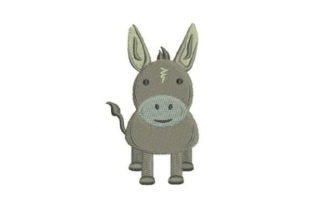
The Donkey design immediately strikes a balance between playful charm and rustic simplicity. In the current market, where minimalism often clashes with maximalist trends, this piece lands comfortably in the "cozy casual" category. The layout suggests a focus on clean lines rather than overly complex shading, which is crucial for maintaining clarity on textured fabrics. When I first loaded the digital embroidery file into my software, the stitch path appeared logical, minimizing unnecessary jumps that can lead to thread breaks or messy backsides.
This design does not scream for attention with bold, aggressive colors. Instead, it invites a softer approach. It feels inherently feminine yet grounded, making it versatile for various demographics. For a boutique brand looking to expand beyond standard floral motifs, incorporating animal themes from the broader Horses and equine category offers a fresh narrative. The Donkey brings a sense of whimsy that appeals to customers seeking unique, conversation-starting apparel without sacrificing sophistication.
Application on Premium Sweatshirts and Hoodies
The true test of any sweatshirt embroidery project is how the design interacts with heavy, looped fabrics. I tested the Donkey on several neutral-toned sweatshirts, including oatmeal, charcoal, and soft pastel pink. On lighter fabrics, the design required careful selection of thread colors to ensure sufficient contrast without losing the delicate details of the donkey’s features. On dark fabrics, such as navy or black, the design popped beautifully when using metallic or high-sheen rayon threads, adding a touch of luxury to the casual garment.
For oversized hoodies, I found that placing the Donkey on the left chest created a classic, understated look that appeals to the modern consumer. However, scaling it up for a large back print transformed the vibe entirely. A larger version became a bold statement piece, perfect for seasonal drops aimed at younger audiences. The design’s simplicity ensures it does not become muddy when enlarged, provided the stitch density is adjusted correctly for the specific hoop size being used.
Sleeve Accents and Unique Placements
Beyond the standard chest placement, this hoodie design shines as a sleeve accent. Small, repeated motifs on the cuff or upper arm are trending heavily in custom apparel circles. The compact nature of the Donkey makes it ideal for these smaller areas. It adds a subtle detail that customers notice only upon closer inspection, enhancing the feeling of exclusivity and thoughtful design inherent to a boutique brand.
Technical Considerations for Commercial Production
When preparing for commercial production, technical precision is non-negotiable. One of the primary concerns with any embroidery file is the stitch density relative to the fabric thickness. Sweatshirts are thick, and if the density is too high, the fabric can pucker or become stiff. If the density is too low, the underlying fabric may show through, ruining the finish. Based on my review, the Donkey design appears to have a balanced density, but I strongly recommend running test stitches on your specific blank garments.
Stabilizer choice is equally critical. For heavy fleece or French terry cloth, a cut-away stabilizer is usually preferred to provide long-term support and prevent distortion after multiple washes. The finished product must feel soft against the skin, so ensuring the stabilizer does not add unnecessary bulk around the edges of the design is key. Always check the recommended hoop size included with your purchase to ensure it fits your machine’s capabilities, especially if you plan to do multi-hoop designs or larger placements.
It is important to note that while the product description states the design comes with multiple embroidery file formats, it does not specify exact stitch counts or precise dimensions. As a professional, I advise checking these details in your digitizing software before committing to a large production run. Understanding the exact stitch count helps in calculating production time and thread costs, which are vital for maintaining profit margins in a small shop product line.
Enhancing Brand Identity and Customer Engagement
In the world of online sales, particularly for an Etsy seller, visual presentation is everything. The Donkey design lends itself well to lifestyle product photography. Imagine a cozy autumn scene with a model wearing the embroidered sweatshirt, holding a warm drink, with the donkey motif clearly visible. This creates an emotional connection with the buyer, suggesting warmth, comfort, and joy.
Using this design as part of a cohesive collection can significantly boost brand identity. If your shop specializes in rustic or farm-inspired aesthetics, this Embroidery asset fits seamlessly. It allows for cross-promotion with other items, such as tote bags or baby onesies, creating a unified look that encourages larger cart sizes. Customers trust brands that offer consistent quality and distinct visual styles. A well-executed Donkey embroidery signals attention to detail and craftsmanship.
- Visual Recognition: Unique animal motifs help your brand stand out in a saturated market.
- Perceived Value: High-quality embroidery justifies a higher price point compared to printed graphics.
- Customer Engagement: Cute designs encourage social media shares and user-generated content.
Final Verdict for Creative Entrepreneurs
The Donkey machine embroidery design is a strong contender for any creative entrepreneur looking to add character to their apparel line. It is versatile enough to work on various garments, from cozy seasonal apparel to everyday basics. Its aesthetic is adaptable, fitting both playful and rustic brand narratives. However, success lies in the execution. Proper stabilizer selection, thread color matching, and test stitching are essential to transforming a digital asset into a premium physical product.
For those managing a commercial embroidery setup, this design offers efficiency without sacrificing charm. It is not overly complex, which means faster run times and fewer potential errors. For handmade business owners, it provides a professional look that can be achieved even with mid-range home machines. Remember to utilize printable mockups to visualize the design on different colors before stitching, ensuring you make the best choices for your specific inventory.
In conclusion, if you are looking to refresh your design assets with something that feels genuine and heartwarming, the Donkey is worth considering. It respects the intelligence of the maker by providing a solid foundation that can be customized through thread choices and placement. Whether you are an experienced decorator or a novice crafter, this design supports the creation of high-quality, memorable pieces that customers will love to wear and share.