Reviewing the Easter Bunny in Basket Design
As an embroidery designer who has spent years testing files for client orders, I approach every new machine embroidery design with a mix of excitement and skepticism. We all know that a pretty preview image does not always translate to a flawless finished product. Recently, I loaded the Easter Bunny in Basket file into my software to evaluate its potential for my personalized gift shop. My goal was simple: determine if this design could hold up under the scrutiny of discerning customers looking for meaningful, handmade items.
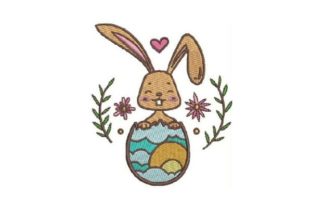
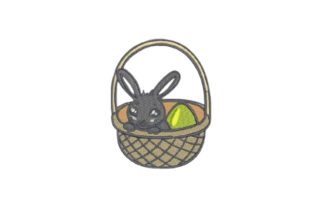
The first impression of the Easter Bunny in Basket is undeniably charming. It captures a soft, playful mood that feels perfectly suited for the spring season. The design is small and cute, as described, but it carries an emotional weight that larger, more complex designs sometimes lack. It feels sweet and handmade, evoking nostalgia rather than just following a trend. For Etsy sellers and small business owners, this emotional connection is vital. It is not just a picture of a rabbit; it is a symbol of warmth and celebration that resonates with buyers seeking unique keepsakes.
Visual Appeal and Detail Level
When zooming in on the digital preview, I looked closely at the stitch paths. The design balances simplicity with enough detail to remain interesting. It avoids the clutter that can plague seasonal motifs, opting instead for clean lines and recognizable shapes. This clarity is crucial when working with various thread colors. A design that is too dense can look muddy on textured fabrics, while one that is too sparse might disappear. This particular embroidery file seems to strike a happy medium, making it versatile for different aesthetic preferences.
The charm lies in its adaptability. It feels both classic and modern, allowing it to fit into traditional nursery decor or contemporary kitchen textiles. For wedding gift designers, this versatility is a boon. While primarily an Easter motif, the imagery of a basket suggests abundance and care, which can be subtly repurposed for spring-themed bridal showers or baby welcomes if styled correctly with pastel palettes.
Practical Applications for Personalized Gifts
In my shop, I tested how this design would perform across various product categories. The most obvious application is baby embroidery. Imagine this bunny stitched onto a muslin swaddle or a cotton onesie. Because the design is described as small, it is ideal for delicate baby items where large, heavy stitching might cause discomfort or distortion. However, one must be cautious with stretchy fabrics. Proper stabilization is non-negotiable here to ensure the bunny remains crisp and does not pucker the garment.
Beyond baby items, the Easter Bunny in Basket shines on home goods. An embroidered towel featuring this motif makes for a delightful seasonal update to a guest bathroom or kitchen. The absorbent texture of terry cloth can sometimes swallow fine details, so I recommend using a cut-away stabilizer to provide a firm foundation. Similarly, this design works beautifully on pillow covers. A linen or cotton blend pillowcase with this bunny stitched in the corner adds a touch of whimsy without overwhelming the room’s decor.
For those running craft fairs or online stores, tote bags are a high-volume seller. Stitching this design on a canvas tote creates an instant bestseller during the spring months. It transforms a generic bag into a personalized gift that feels thoughtful and exclusive. Aprons are another excellent candidate, particularly for customers who love to bake or host holiday meals. The placement on an apron bib allows the design to be front and center, maximizing its visual impact.
Navigating Fabric and Technical Challenges
While the design is adorable, practical experience teaches us that not every fabric is a friend to every stitch. I advise caution when using this design on dark fabrics. If the original file uses light thread colors, they may not pop against navy or black backgrounds. Always create a printable mockup or test stitch on scrap fabric to check contrast. You may need to adjust the thread palette to ensure the bunny stands out clearly.
Textured fabric presents another challenge. Thick towels or plush blankets can obscure small details. Since this design is small, ensure that the intricate parts of the basket weave or the bunny’s features are not lost in the pile of the fabric. Testing on similar material to your final product is essential. Additionally, curved surfaces like baby hats or rounded pillow corners require careful hooping. If the design is not centered perfectly, it can look skewed, detracting from the professional quality of the handmade product.
Washability is a major concern for items like baby clothes and kitchen towels. High stitch density can sometimes lead to stiffness or tearing after multiple washes if not properly stabilized. I recommend reviewing the stitch count and density settings in your software. If the design feels too dense for lightweight cotton, consider reducing the density slightly or using a softer stabilizer to maintain the fabric's drape.
Boosting Perceived Value and Customer Trust
From a business perspective, the Easter Bunny in Basket adds significant perceived value. Customers often associate machine embroidery with higher quality than printed graphics because of the tactile nature of the threads. When a buyer sees the raised texture of the stitches, they perceive the item as durable and crafted with care. This builds trust in your brand as a provider of genuine custom embroidery.
Product photography plays a huge role here. This design photographs well because of its clear shapes and cute subject matter. Close-up shots that highlight the thread sheen and stitch definition can dramatically increase buyer engagement on platforms like Etsy. It helps customers visualize the quality before they purchase. For digital product sellers, offering this as part of a bundle can increase average order value, provided you confirm commercial licensing terms.
Final Technical Recommendations
Before committing to a large batch of orders, there are several steps every embroiderer should take. First, always check the specific hoop size required for this file. Even though it is small, ensuring it fits within your standard hoop without re-hooping saves time and reduces error. Second, verify the file formats included in the download to ensure compatibility with your machine.
Third, and most importantly, confirm the license. If you plan to sell finished products featuring this digital embroidery file, you must ensure you have the rights for commercial embroidery. Never assume; always read the terms provided by the designer. Finally, keep a record of which thread brands and weights worked best during your test runs. This consistency will help you replicate the high-quality look that attracts repeat customers.
In conclusion, the Easter Bunny in Basket is a strong contender for any spring collection. It offers a blend of cuteness and professionalism that appeals to a wide range of buyers. By paying attention to fabric choice, stabilization, and presentation, you can turn this simple design into a standout small shop product that delights customers and enhances your brand reputation.