Baby Deer Cartoon: A Designer’s Review for Real Projects
When I first pulled up the Baby Deer Cartoon file on my screen, my immediate reaction was one of relief. In the world of digital embroidery assets, "cute" often translates to "messy" once the needle hits the fabric. We have all seen those designs that look charming in a thumbnail but turn into a tangled web of thread breaks and puckering on a sweatshirt. This design, however, strikes a balance that is increasingly rare in the Baby Animals category. It feels intentional, clean, and ready for production.
As an experienced designer who spends more time tweaking stitch paths than browsing marketplaces, I evaluate every machine embroidery design based on how it will perform in the real world. I am not just looking at aesthetics; I am looking at durability, stitch logic, and commercial viability. Here is my practical breakdown of how this design holds up when moved from the digital realm to actual embroidery project execution.
First Impressions and Visual Personality
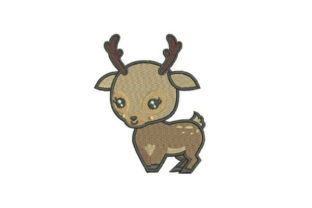
The mood of the Baby Deer Cartoon is soft and approachable. The lines are rounded, avoiding sharp angles that can cause thread snapping or fabric distortion. For any animal lover, the appeal is obvious, but for a craft business owner, the simplicity is the real selling point. The layout avoids excessive density, which is crucial for maintaining the softness required in baby items or lightweight apparel.
Visually, the design relies on clear shapes rather than micro-details. This is a smart choice for Embroidery because small details often get lost or merge together after washing. The character has a distinct personality without needing hundreds of thousands of stitches to define it. This efficiency means faster run times on your machine and less wear on your needles, which matters when you are producing batch orders for an Etsy shop or a local craft fair.
Real-World Application: The Tote Bag Test
To truly understand the value of a design, you have to imagine it on a specific product. I recently considered this design for a custom tote bag design intended for a spring boutique collection. Canvas tote bags are unforgiving; they have a loose weave that can allow small stitches to sink in, creating a blurry image.
Because the Baby Deer Cartoon uses bold, confident shapes, it stood out beautifully against the textured canvas. I did not need to worry about tiny satin stitches getting swallowed by the fabric grain. The result was a crisp, professional-looking handmade product that felt high-value. Customers tend to trust designs that look clean from a distance, and this deer delivers that clarity. It works equally well as a central focal point on a sweatshirt embroidery project, where the bulk of the garment can support slightly heavier stitching without puckering.
Versatility Across Product Lines
Beyond totes and sweatshirts, this design is versatile enough for various custom apparel and home goods. It fits naturally into the baby embroidery niche, provided you adjust your stabilizer strategy. On onesies or burp cloths, the gentle curves of the deer ensure comfort against sensitive skin, as there are no rough, dense patches of thread that could irritate a child.
For holiday seasons, this design transitions smoothly into holiday embroidery collections. Imagine it paired with simple text for a Christmas ornament or a winter hat. Its neutral, friendly aesthetic allows it to pair with various color palettes, making it a reliable asset for sellers who need to refresh their inventory seasonally without redesigning from scratch. It also serves well as an embroidered patch, where the defined edges help create a clean cut line if you are using a merrowing machine or a simple zigzag border.
Technical Considerations and Limitations
While the design is robust, it is not without its constraints. Every designer knows that context changes everything. Here is where you need to exercise caution.
- Fabric Texture: On highly textured fabrics like terry cloth or thick fleece, the finer details might recede. Always test on scrap fabric first to see if the thread colors provide enough contrast against the background.
- Stretchy Materials: If you are applying this to a fitted cap or a stretchy jersey, the hoop tension must be precise. While the design is not overly dense, any embroidery on stretch fabric requires a cut-away stabilizer to prevent distortion over time.
- Small Hoop Sizes: Check the dimensions carefully. If you are trying to fit this into a 4x4 hoop, ensure the scale does not compromise the integrity of the eyes or facial features. Shrinking a design too much can lead to thread breaks and poor registration.
- Dark Fabrics: If stitching on black or navy, consider using an underlay or a light-colored backing fabric if the design does not include a built-in satin border. This prevents the dark fabric from showing through the lighter thread colors of the deer.
Enhancing Brand Value and Customer Trust
Using high-quality design assets like this directly impacts your brand perception. When a customer receives a personalized gift featuring a crisp, well-stitched image, they associate that quality with your shop. Sloppy embroidery leads to returns and negative reviews; clean, professional stitching builds loyalty.
The Baby Deer Cartoon helps maintain brand consistency because it is adaptable. Whether you are creating a printable mockup for your online store or stitching the final finished product, the design retains its charm. For Etsy seller accounts, having a cohesive look across different products—such as matching bibs, hats, and blankets—can increase average order value. This design fits seamlessly into such a collection.
Practical Notes for the Studio
Before you commit to a large production run, take these steps to ensure success:
- Check File Formats: The description notes that the digital embroidery file comes in multiple formats compatible with many machines. Verify that your specific machine reads the format correctly before purchasing or downloading.
- Review Stitch Density: Open the file in your editing software. Look at the stitch count relative to the size. If it seems too dense for lightweight fabric, consider reducing the density slightly or using a lighter weight thread.
- Test Stabilizer Combinations: For best results on cotton or blends, a medium-weight cut-away stabilizer usually provides the best support without adding unnecessary bulk.
- Confirm Licensing: If you plan to use this for commercial embroidery sales, always double-check the license terms provided by the creator. Ensure you are compliant with rules regarding mass production or digital resale.
- Mockup Testing: Create black and white mockups to check contrast. If the design disappears in grayscale, it may lack sufficient definition for certain fabric combinations.
In conclusion, the Baby Deer Cartoon is a solid addition to any designer’s library. It avoids the pitfalls of over-complication while delivering the emotional appeal that drives sales in the small shop product market. It is practical, visually pleasing, and technically sound for most standard applications. Just remember to respect the material you are stitching on, and this design will serve your business well.