Elephant Best Friend: A Designer’s Review for Real Projects
As an embroidery designer who has spent years digitizing and testing files for both personal joy and commercial profit, I approach every new machine embroidery design with a critical eye. It is not enough for a motif to be cute; it must be functional, stitchable, and commercially viable. Recently, I evaluated the Elephant Best Friend design, a charming entry in the Baby Animals category, to determine if it holds up under the scrutiny of real-world production. This review breaks down how this file performs when moved from the screen to the hoop, offering practical insights for Etsy sellers, boutique owners, and hobbyists alike.
First Impressions and Visual Personality
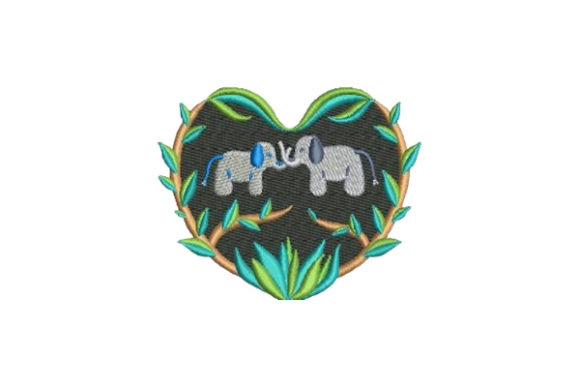
The first thing that strikes you about Elephant Best Friend is its immediate warmth. The silhouette is soft and rounded, avoiding the sharp, aggressive angles that can sometimes plague digital artwork. For a design categorized under Baby Animals, this gentleness is crucial. It evokes a sense of comfort and nostalgia, making it an ideal candidate for items meant to soothe or delight. The layout appears balanced, suggesting that the digitizer considered the flow of the thread rather than just filling space.
From a visual standpoint, the design relies on clean lines and manageable detail levels. This is a significant advantage for production speed. Overly complex designs with excessive satin stitch borders or microscopic details often lead to thread breaks and user frustration. Elephant Best Friend seems to prioritize clarity, ensuring that the subject remains recognizable even from a distance. This visual personality makes it versatile, fitting seamlessly into both modern minimalist aesthetics and traditional nursery themes.
Real-World Application: The Custom Tote Test
To truly understand the value of an embroidery file, I imagine it in a specific client scenario. Let us consider a custom order for a canvas tote bag intended as a baby shower gift. Canvas is a sturdy, textured fabric that can chew up delicate stitches if the density is incorrect. In this context, Elephant Best Friend shines because of its robust structure.
When stitched onto a natural cotton canvas, the design maintains its integrity. The fill areas appear solid without looking like a plastic patch, thanks to what seems to be a well-balanced fill stitch pattern. For an Etsy seller, this reliability is gold. You do not want to spend twenty minutes hooping and stitching only to have the design pucker or distort. The "melt your heart" appeal mentioned in the product description translates directly to customer satisfaction when the finished product looks professional and crisp. This design would also work beautifully on a heavy-weight sweatshirt, where the texture of the fleece complements the softness of the elephant motif.
Versatility Across Product Lines
Beyond totes and sweatshirts, this design offers flexibility for various handmade products. It is small enough to serve as a chest emblem on a child’s t-shirt yet large enough to act as a focal point on a pillow cover. For those running a small shop, having a single high-quality asset that works across multiple product lines reduces the need for constant new purchases. You can use it for:
- Baby embroidery projects like onesies and burp cloths.
- Holiday gifts, particularly for winter-themed bundles.
- Personalized gifts where the elephant serves as a base for added names or dates.
- Embroidered patches that can be ironed or sewn onto denim jackets.
The key here is adaptability. A design that only works on one type of fabric limits your market. Elephant Best Friend appears to bridge the gap between delicate baby items and durable everyday goods.
Technical Considerations and Stitching Challenges
While the design is appealing, no file is without its constraints. Experienced crafters know that success lies in the preparation. When working with Elephant Best Friend, pay close attention to your stitch density. If the original file was digitized for medium-weight cotton, using it on thin, stretchy jersey without proper stabilization could result in distortion. Always use a cut-away stabilizer for stretchy fabrics to ensure the design retains its shape after washing.
Another critical factor is the hoop size. Since the product description notes that the design comes in multiple sizes, you must select the version that fits your project without scaling it beyond recommended limits. Scaling up a small embroidery file can reveal pixelation or poor stitch connections, while scaling down can cause threads to bunch up. For curved surfaces like caps, ensure you are using the appropriate cap frame and that the design’s width does not exceed the curvature of the front panel.
Color choice also plays a pivotal role. While the default thread colors may be adorable, testing the design in black and white mockups can help you understand the contrast and definition. On dark fabrics, you may need to adjust the underlay or use a lighter thread palette to ensure the elephant stands out. Conversely, on light linens, subtle pastel threads can create a sophisticated, boutique look that appeals to higher-end buyers.
Commercial Viability and Brand Consistency
For commercial embroidery professionals and digital product sellers, the question is always about return on investment. Does Elephant Best Friend add value to your brand? Yes, because it projects professionalism. A clean, well-stitched design builds trust with customers. When a buyer sees a crisp elephant on a tote bag, they perceive quality. This perception allows you to price your handmade items higher than those with sloppy or generic embroidery.
However, before listing any finished items or selling the digital file itself, you must verify the licensing terms. The description states it is a machine embroidery design, but it does not explicitly detail commercial rights for digital resale versus physical product sales. Always confirm whether you can sell the stitched item, the digital file, or both. Protecting your business from copyright issues is as important as the stitching itself.
Final Designer Notes
Before committing to a large batch of production, follow these practical steps:
- Test on scrap fabric: Always run a test stitch-out on the same material you plan to use for the final product.
- Check thread tension: Adjust your machine settings to prevent looping or bird-nesting, especially in dense fill areas.
- Review small details: Inspect the eyes and trunk of the elephant to ensure they are clear and not lost in the stitching.
- Confirm file formats: Ensure your machine can read the provided file types (such as PES, DST, or JEF) before purchasing.
In conclusion, Elephant Best Friend is a strong contender for any crafter’s library. It balances aesthetic charm with technical practicality, making it suitable for everything from personalized baby gifts to boutique apparel. By respecting the technical requirements of embroidery and understanding your target market, you can leverage this design to create products that truly resonate with customers. It is not just a cute image; it is a reliable tool for building a successful creative business.