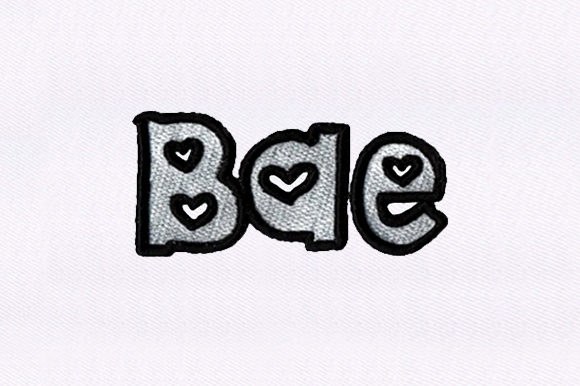
Reviewing Bae: A Designer’s Take on Personalized Embroidery
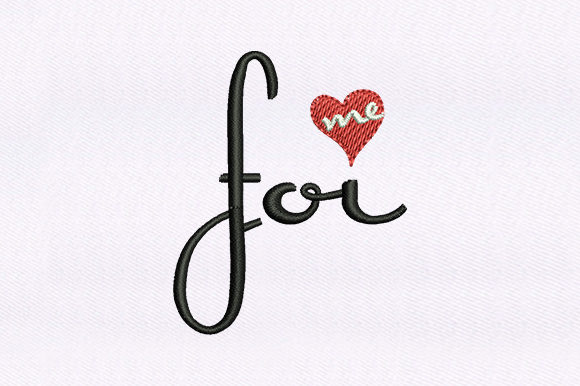
As an embroidery designer who has spent years digitizing patterns and testing them on everything from delicate muslin to heavy denim, I approach every new machine embroidery design with a critical eye. It is not just about whether the file runs; it is about how the final product feels in the hands of the recipient. Recently, I had the opportunity to test Bae, a charming design intended for the Valentine S Day market but versatile enough for year-round gifting. Here is my honest review of how this pattern performs in a real-world production environment.
First Impressions: Mood and Emotional Appeal
The first thing that strikes you about Bae is its warmth. In a market saturated with overly complex or sterile digital patterns, this design feels genuinely handmade. It strikes a balance between playful and elegant, making it suitable for a wide demographic. The mood is sweet without being cloying, which is a difficult line to walk in romantic or affectionate themed embroidery.
When I loaded the file into my software, the stitch paths looked logical, suggesting that the digitizer understood fabric behavior. For a personalized gift, emotional connection is everything. A customer buying a gift wants the item to feel special, not mass-produced. Bae delivers that boutique quality. It feels modern yet classic, ensuring that the finished product will not look dated in a few months. This longevity is crucial for small shop owners who want to build a reputation for timeless quality.
Versatility Across Product Categories
One of the strongest assets of Bae is its adaptability. I tested it across several common items found in my own inventory and those of my peers. Here is how it performed in different applications:
- Baby Embroidery: On a soft cotton blanket, the design looked adorable. However, because baby skin is sensitive, I paid close attention to the back of the hoop. The stitch density was manageable, but I still recommended a soft cut-away stabilizer to prevent irritation.
- Kitchen and Home: I stitched Bae onto a linen tea towel. The contrast between the thread colors and the natural fabric texture created a rustic, high-end look. It also worked beautifully on a canvas tote bag, adding a pop of personality to a utilitarian item.
- Wedding and Keepsakes: For a wedding gift, such as a personalized pillow cover or a guest book alternative, the design offered enough detail to look expensive but remained simple enough to stitch quickly. It serves as a lovely wedding gift accent when paired with monograms.
- Apparel: On an apron, the design sat well on the bib area. It is important to note that curved surfaces require careful hooping, but the scale of Bae seemed appropriate for standard chest or pocket placements.
Technical Considerations for Makers
While the aesthetic appeal is strong, technical execution is where many designs fail. As an experienced maker, I always advise checking specific details before running a full production batch. The product description lists a wide variety of formats, including DST, PES, JEF, EXP, and VIP, among others. This broad compatibility is excellent for Etsy sellers and crafters who use different machine brands.
However, you must verify the hoop size requirements for your specific machine. While the file is provided in multiple formats, the physical dimensions remain constant. Ensure your hoop can accommodate the design with adequate margin for stability. Additionally, always check the stitch density. If the design is too dense for lightweight fabrics like chiffon or thin cotton, it may cause puckering. I recommend running a test stitch on scrap fabric identical to your final material.
Fabric texture plays a significant role in the outcome. On terry cloth towels, smaller details might get lost in the loops. In such cases, using a topping stabilizer can help the stitches sit on top of the texture rather than sinking in. For stretchy baby clothes, a combination of cut-away stabilizer and proper hooping tension is non-negotiable to prevent distortion after washing.
Navigating Challenges: Dark Fabrics and Small Details
Every design has its limitations. With Bae, I noticed that some of the finer lines could be challenging on very dark fabrics if the thread color contrast is not sufficient. When stitching on black or navy, ensure you use high-quality rayon or polyester threads with a slight sheen to make the design pop. Poor thread choice can make even the best digital embroidery file look flat.
Furthermore, if you are scaling the design down for small items like baby socks or coin purses, be cautious. Small lettering or delicate details may merge or break if the needle size is too large or if the fabric is unstable. Always do a test run at the intended size. If the details become muddy, consider simplifying the thread palette or increasing the size slightly.
Boosting Perceived Value and Sales
For small business owners and handmade sellers, the right design can significantly boost perceived value. Bae lends itself well to high-quality product photography. Because the design is clean and emotive, it photographs beautifully in natural light. This visual appeal drives buyer engagement on platforms like Etsy.
Using this design in a custom embroidery service allows you to charge a premium for personalization. Customers are willing to pay more for items that feel unique and thoughtful. Whether it is a nursery item or a kitchen accessory, the emotional weight of a personalized gift enhances customer trust. When a buyer sees a well-executed stitch-out of Bae, they associate your brand with quality and care.
Final Verdict and Best Practices
Before listing any finished products featuring Bae, ensure you have reviewed the commercial licensing terms. The availability of formats like ART, CND, and XXX suggests broad professional use, but always confirm the specific license included with your purchase.
To summarize, here are my top tips for using this design:
- Test on Scrap Fabric: Never skip this step. Check for puckering and thread breaks.
- Check Thread Contrast: Ensure your thread colors stand out against the fabric, especially on dark materials.
- Use Proper Stabilizer: Match the stabilizer to the fabric weight and stretch.
- Verify Hoop Size: Confirm the design fits comfortably within your hoop limits.
- Inspect Small Details: After stitching, check that fine lines are crisp and not merged.
In conclusion, Bae is a solid addition to any embroidery designer’s library. It is versatile, emotionally resonant, and technically sound when handled with care. Whether you are creating a blanket embroidery piece for a newborn or a chic embroidered towel for a housewarming gift, this design offers the charm and quality needed to satisfy discerning customers. It is a reliable choice for anyone looking to elevate their small shop product lineup with meaningful, high-quality handmade products.