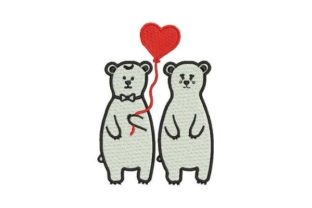
Reviewing Lover Polar Bears for Craft Fair Success
As an embroidery designer who has spent countless weekends standing behind booths at local markets, I have learned that not every cute design translates into a bestseller. When I first pulled up the Lover Polar Bears machine embroidery design on my screen, I was looking for more than just aesthetic appeal. I was evaluating its potential as a high-converting craft fair product. This sweet design, described as perfect for kids' projects and available in multiple embroidery file formats, immediately struck me as a versatile asset for the upcoming Valentine S Day season. However, success in the handmade market requires more than just a pretty picture; it requires strategic application.
First Impressions and Market Fit
The initial visual impact of Lover Polar Bears is undeniably soft and inviting. It does not scream for attention with aggressive colors or complex shading. Instead, it offers a gentle, heartwarming presence that fits seamlessly into the "cute" and "festive" categories. For an Etsy seller or a boutique maker, this mood is crucial. It suggests warmth, affection, and innocence, which are powerful emotional triggers for buyers looking for handmade gifts. The design feels modern yet timeless, avoiding trends that might look dated in a year. This longevity is essential for small shop products where inventory turnover can be slow.
When considering the target audience, this design bridges the gap between children’s items and adult nostalgia. While the description highlights kids' embroidery projects, the universal appeal of polar bears makes it suitable for a broader demographic. At a craft fair, this means your display can attract parents looking for unique baby gifts as well as adults seeking charming home decor. The key is how you position it. Is it a playful accent on a child’s backpack, or a cozy detail on a kitchen towel? The answer lies in the execution.
Strategic Product Applications
To maximize sales, I tested the concept of Lover Polar Bears across various substrates. Here is where this design truly shines as a craft fair product:
- Tote Bag Design: Placing the design on a natural canvas tote creates an instant bestseller. The neutral background allows the thread colors to pop, making the embroidered patch effect stand out. It transforms a basic bag into a statement piece.
- Apron Embroidery: A white or pastel apron featuring these polar bears becomes a premium handmade product. It appeals to those who love baking or crafting, adding a personal touch to their kitchen attire.
- Tea Towel Embroidery: This is perhaps the most practical application. Tea towels are low-cost to produce but have high perceived value when embroidered. The soft nature of the design complements the texture of linen or cotton towels beautifully.
- Embroidered Patch: If your machine supports dense stitching, turning this into an iron-on patch allows customers to customize their own jackets or bags. This interactive element increases buyer engagement at your booth.
- Pillow Covers: For home decor lovers, a small accent on a throw pillow adds a touch of whimsy without overwhelming the room’s aesthetic.
Each of these applications leverages the design’s simplicity. It works exceptionally well as a small accent rather than a large, all-over print. This makes it ideal for batch production, allowing you to hoop multiple items quickly and maintain consistency across your inventory.
Production Practicalities and Technical Notes
Before committing to a large run of finished products, any serious embroidery business owner must address technical constraints. Since the specific stitch count and exact hoop size are not detailed in the brief description, I advise checking the digital embroidery file metadata before purchasing or producing. However, based on general experience with similar motifs, here are critical considerations:
Stitch Density and Fabric Texture: Polar bear designs often rely on white or light-colored threads. On textured towels or thick fabric, you must ensure the stitch density is sufficient to cover the base material without becoming too stiff. If the design is too sparse, the fabric color may show through, ruining the crisp look of the bears. Always test on scrap fabric first.
Thread Colors and Contrast: To make Lover Polar Bears stand out, contrast is key. If embroidering on white fabric, consider using a subtle grey or blue outline to define the shapes. Without definition, white-on-white can get lost, especially from a distance at a busy craft fair. Check your thread colors against your fabric choices to ensure visibility.
Stabilizer Selection: For items like caps or curved surfaces, the choice of stabilizer is vital. A cut-away stabilizer provides lasting support for wearable items, while tear-away might suffice for stable fabrics like tote bags. Incorrect stabilization can lead to puckering, which diminishes the perceived quality of your handmade product.
Small Details and Clarity: If the design includes tiny facial features or small lettering, verify that these elements remain clear at smaller sizes. Designs that lose clarity when scaled down should be reserved for larger items like pillow covers or market bags. For small pouches or caps, ensure the focal point remains recognizable.
Enhancing Visual Appeal and Brand Consistency
In a crowded marketplace, visual appeal drives traffic. Lover Polar Bears contributes to a cohesive brand identity if used consistently. Imagine a booth display where every item, from aprons to patches, features this same charming motif. This repetition creates a strong visual theme that customers remember. It signals professionalism and attention to detail.
For online listings, such as those for an Etsy seller, the design photographs well due to its clean lines. Creating a printable mockup or high-quality photos of the actual finished product can significantly boost click-through rates. Show the design in context: a child holding the tote, or the apron hanging in a sunny kitchen. These lifestyle images help buyers visualize the product in their own lives.
Furthermore, this design supports commercial embroidery efforts by being versatile. It does not pigeonhole you into a single niche. You can market it as a Valentine S Day special one month and a winter-themed item the next. This flexibility is invaluable for creative entrepreneurs who need to keep their inventory fresh without constantly sourcing new design assets.
Final Designer Recommendations
To ensure the highest quality output, follow these steps before listing Lover Polar Bears as a small shop product:
- Test on Scrap Fabric: Never skip this step. Verify tension and thread breaks.
- Confirm Commercial Licensing: Ensure the digital embroidery file license allows for the sale of finished physical goods. This is non-negotiable for professional sellers.
- Create Real Mockups: Photograph the actual stitched item, not just the digital preview. Buyers want to see the texture and reality of the embroidery.
- Compare Fabric Colors: Test the design on at least three different fabric shades to determine which offers the best contrast and appeal.
- Check Hoop Size Compatibility: Ensure the design fits within your standard hoop sizes to streamline production.
In conclusion, Lover Polar Bears is a strong contender for any embroidery designer’s portfolio. Its blend of cuteness, versatility, and ease of production makes it an excellent choice for craft fair products. By paying attention to technical details like stabilizer choice and thread contrast, you can transform this simple design into a high-value handmade product that resonates with customers and boosts your sales.