Sunset Embroidery Design Review for Craft Fair Success
As an embroidery designer who has spent countless hours digitizing and testing files, I know that not every design translates well from the screen to a physical product. When I first loaded the Sunset machine embroidery design into my software, my immediate reaction was one of cautious optimism. The title suggests warmth, nostalgia, and visual impact, but the real test is always in the stitching. For craft fair sellers, Etsy shop owners, and handmade market entrepreneurs, choosing the right digital embroidery file can make the difference between a booth that draws a crowd and one that gets overlooked. This review breaks down how Sunset performs in real-world production scenarios, focusing on what matters most: sellability, stitch quality, and ease of use.
First Impressions and Aesthetic Appeal
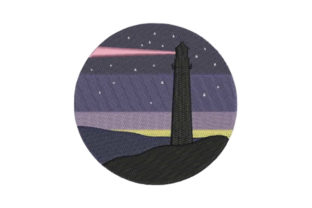
The Sunset design carries a vibe that is both modern and timeless. It does not scream "rustic" in a dated way, nor does it feel overly minimal to the point of being boring. Instead, it strikes a balance that feels premium and decorative. For those of us in the Hobbies and Embroidery community, we know that customers at craft fairs are drawn to items that evoke emotion. A sunset motif naturally triggers feelings of calm and beauty, making it an excellent candidate for giftable handmade items. The fact that this design is digitized by hand with careful attention to stitch angle suggests a level of craftsmanship that will show in the final product. It avoids the flat, lifeless look of auto-digitized files, offering depth and texture that catches the eye from across the room.
Versatility Across Product Lines
One of the strongest selling points of Sunset is its versatility. The description notes that it is available in six sizes, which is crucial for a small shop product line. Here is how I envision this design performing on various craft fair staples:
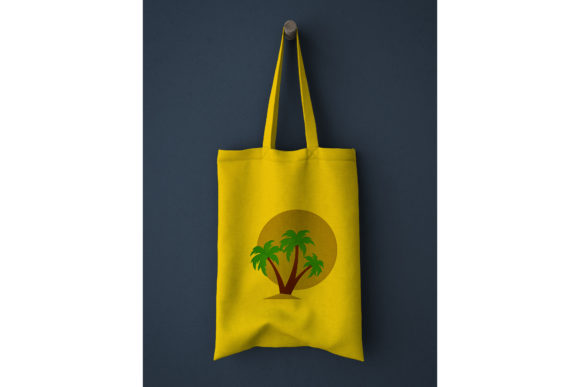
- Tote Bag Design: On a canvas tote, a medium-to-large version of Sunset serves as a bold focal point. It transforms a basic bag into a statement piece, perfect for beach days or farmers market runs.
- Apron Embroidery: Placed on the bib or lower corner of a linen apron, the design adds a touch of elegance. It appeals to home cooks who value aesthetics in their kitchenware.
- Tea Towel Embroidery: Using a smaller size, this design works beautifully on hemmed tea towels. However, care must be taken with fabric texture to ensure the stitches do not pucker the lightweight material.
- Embroidered Patch: If you offer patches, Sunset’s color potential makes it ideal for iron-on or sew-on applications. Patches are low-commitment purchases for buyers, often serving as impulse buys at checkout.
- Pillow Covers: As mentioned in the product description, this is a high-quality embroidery design for your pillow. A large-scale Sunset on a neutral throw pillow creates a cozy, inviting look that sells well in home decor sections.
- Caps and Sweatshirts: The design’s adaptability allows it to work on curved surfaces like caps, provided the correct stabilizer is used. On sweatshirts, it offers a comfortable, wearable art option.
Production Practicality for Small Businesses
For the busy Etsy seller or boutique maker, time is money. A design that is difficult to hoop or prone to errors is a liability. Sunset appears to be designed with production efficiency in mind. The availability of six sizes means you can standardize your workflow. You can hooping once and run multiple items if the sizing aligns with your common hoops. The note that it is digitized with stitch angle is significant; proper angles reduce thread breaks and ensure the design lays flat, which is critical for professional-looking finished products. When photographing for online listings or creating a printable mockup for your website, the clean lines of this design will render clearly, helping you create compelling design assets that drive clicks.
Technical Considerations and Careful Use
While Sunset is a robust choice, no digital embroidery file is foolproof. Here are some practical notes based on typical challenges with gradient or scenic designs:
- Stitch Density: Check the density settings in your software. If the design has dense areas representing the sun or clouds, ensure your fabric can handle it. Heavy density on thin fabric may cause puckering.
- Thread Colors: The success of a sunset design relies heavily on thread contrast. Use high-quality threads with subtle variegations if possible, or carefully select solid colors that blend smoothly. Test your thread chart against the design preview.
- Fabric Texture: Textured towels or thick denim can obscure fine details. If using a smaller size of Sunset, avoid highly textured fabrics where tiny details might get lost.
- Curved Surfaces: When embroidering on caps, use a strong cut-away stabilizer. The curvature can distort the design if not properly supported, so a test run on scrap fabric is non-negotiable.
- Dark Fabric: If stitching on dark garments, consider using a topping or adjusting the underlay to prevent the fabric from showing through the lighter parts of the sunset.
Boosting Brand Consistency and Buyer Engagement
Incorporating Sunset into your product line can strengthen your brand identity. If your shop focuses on nature-inspired or calming aesthetics, this design reinforces that message. Consistency in design quality leads to repeat customers. When buyers see a well-executed embroidered patch or a crisp tote bag design, they associate that quality with your entire brand. This builds trust and encourages higher engagement, both at physical craft fairs and in your digital storefront. The visual appeal of a well-stitched sunset can stop a browser in their tracks, turning passive observation into active interest.
Final Designer Recommendations
Before launching Sunset as a commercial embroidery product in your shop, take these final steps. First, always test the design on the actual fabric you intend to sell. Scrap fabric is your best friend; it saves you from ruining saleable inventory. Second, confirm the commercial licensing terms. While the description implies these are digital files for your use, always double-check if the license covers unlimited physical sales or if there are restrictions. Third, create at least one real mockup. Photos of the actual stitched item perform far better than digital renders alone. Finally, inspect the stitch count and hoop size requirements in your specific machine software to ensure compatibility. By treating Sunset with the care it deserves, you can turn this digital asset into a best-selling staple of your handmade business.